
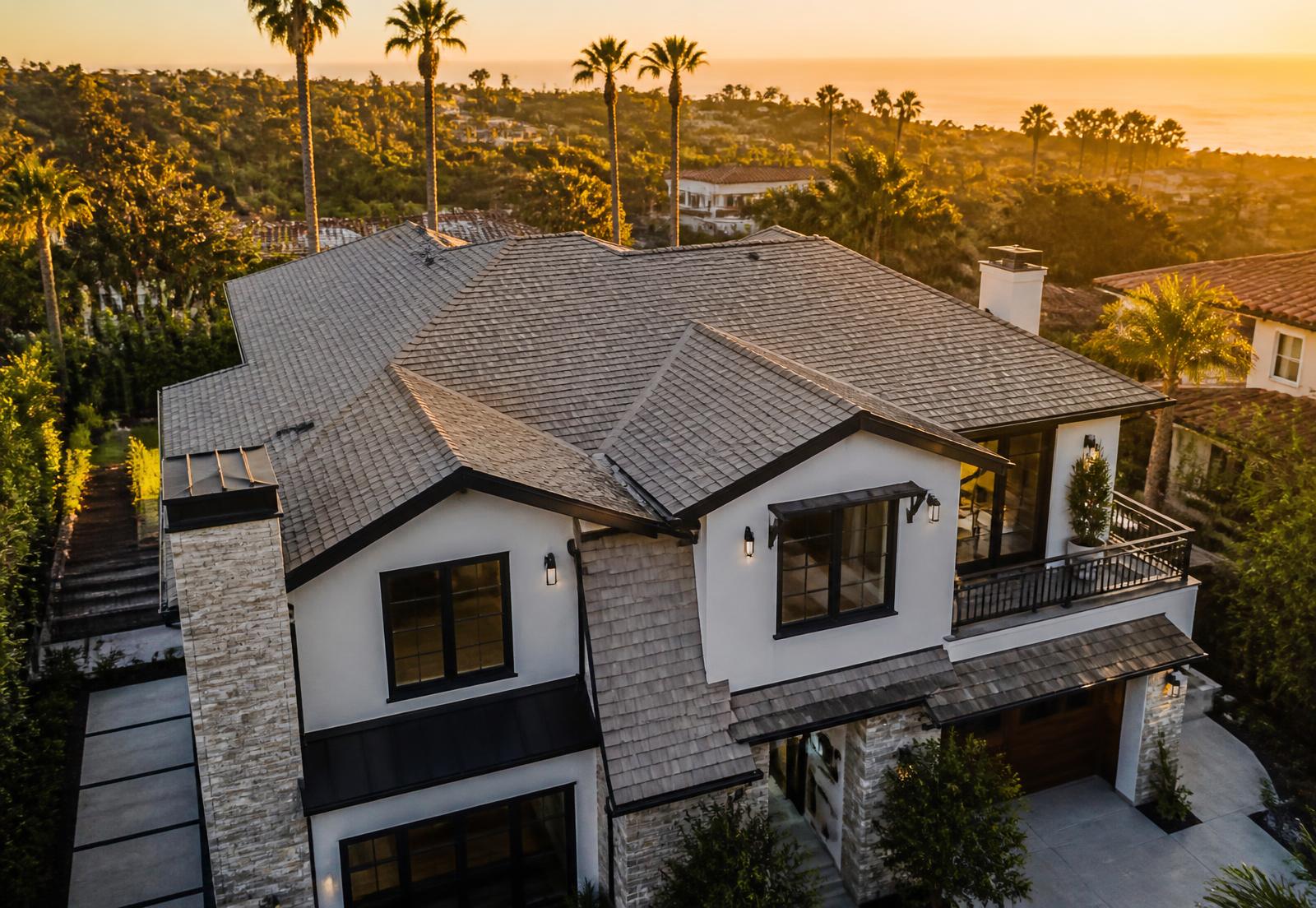
Roofing Materials Guide
Los Angeles homes carry a wide mix of roof types, from shingle on tract homes to clay tile on Spanish-style houses and flat roofs on mid-century designs. Here's an overview of the most common materials.
Updated October 6, 2026
Get Free Roofing Estimates From Local Pros
Enter the location of your project
100% Free • No obligation
Common roofing materials
Asphalt / composite shingle
The most widely used residential roofing in the area. Available in many colors and styles, including dimensional (architectural) shingles. Typically lighter and faster to install than tile.
Clay tile
A traditional choice for Spanish, Mediterranean and Mission-style homes. Heavy, so the structure must be able to support it. Individual tiles can crack if walked on improperly.
Concrete tile
Offers a tile look in many profiles and colors. Also heavy, with structural considerations similar to clay.
Metal
Standing seam panels and metal shingles or tile-look products. Lightweight compared to tile, with a wide range of styles and finishes.
Flat / low-slope systems
TPO, EPDM, modified bitumen and built-up roofing are used on flat and low-slope roofs common on mid-century homes, additions and garages. Drainage design matters as much as the membrane.
Southern California considerations
Sun and heat
Strong sun exposure makes reflectivity worth discussing. Lighter or 'cool roof' rated products reflect more sunlight. California energy code can include cool roof requirements for some projects — ask your roofing company whether they apply to yours.
Wildfire areas
Homes in designated fire hazard areas may face specific roof requirements. Ask about fire-rated roof assemblies if your property is in or near a high fire hazard zone.
Wind
Santa Ana winds can lift poorly secured shingles and tiles. Proper fastening and edge details matter for any material.
Architectural style
Some neighborhoods and HOAs have guidelines on roofing appearance. Check before choosing a material that changes your home's look.
Questions to ask when choosing a material
- Can my home's structure support this material, or would changes be needed?
- What does the manufacturer warranty cover, and what does your workmanship warranty cover?
- Is this product cool roof or fire rated, and does my project require either?
- What maintenance will this roof need?
- Are there HOA or local appearance guidelines I should check?
Common questions
- Can I switch from shingle to tile?
- Possibly, but tile is much heavier. A roofing company or engineer may need to confirm the structure can carry the added weight.
- Which material is best?
- There's no single best material. The right choice depends on your home's style and structure, your budget, local requirements, and how long you plan to stay.
- Where can I see cost differences between materials?
- Our Roof Replacement Cost in Los Angeles guide covers how material choice affects project pricing.
This guide is general information, not professional advice. RuufLink™ is a marketplace, not a roofing contractor. Your roofing company can advise on your specific roof and local requirements.
Get Free Roofing Estimates From Local Pros
Enter the location of your project
100% Free • No obligation